Garage door getting loud, slow, shaky, or rough during daily use? Garage Door Solutions provides garage door maintenance and tune-up service for homeowners and businesses across the Northwest Suburbs and nearby Southern Wisconsin. We check the parts that control movement, balance, opener strain, closing, sealing, and safe operation so small issues can be found before they turn into bigger garage door problems.
Garage door getting loud, slow, shaky, or rough during daily use? Garage Door Solutions provides garage door maintenance and tune-up service for homeowners and businesses across the Northwest Suburbs and nearby Southern Wisconsin. We check the parts that control movement, balance, opener strain, closing, sealing, and safe operation so small issues can be found before they turn into bigger garage door problems.
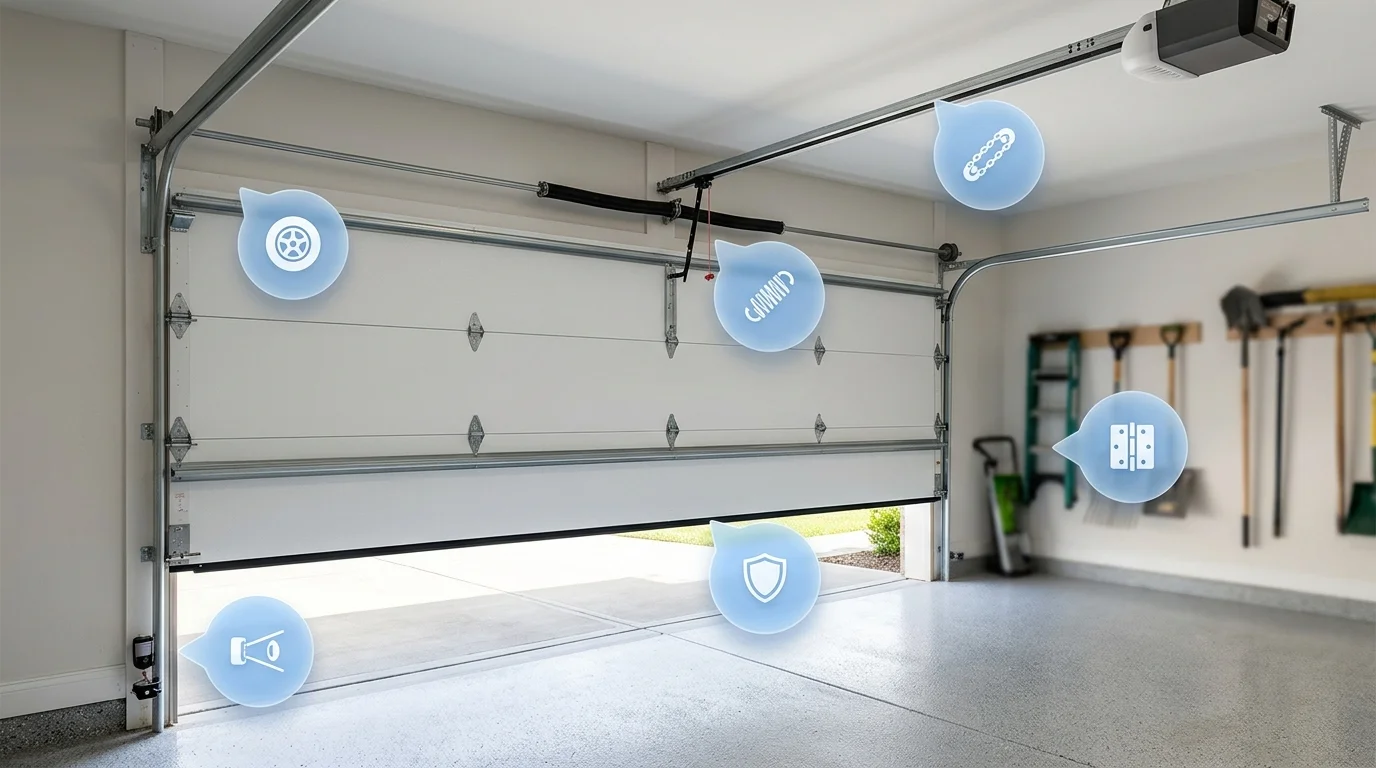
We inspect the door, opener, tracks, rollers, cables, springs, seals, sensors, and working hardware.
Moving parts are checked, lubricated, tightened, and adjusted where maintenance service is needed.
We look for balance, force, travel, and resistance issues that can make the opener work harder than it should.
If a worn or unsafe part is found, we explain what it means before additional repair work moves forward.
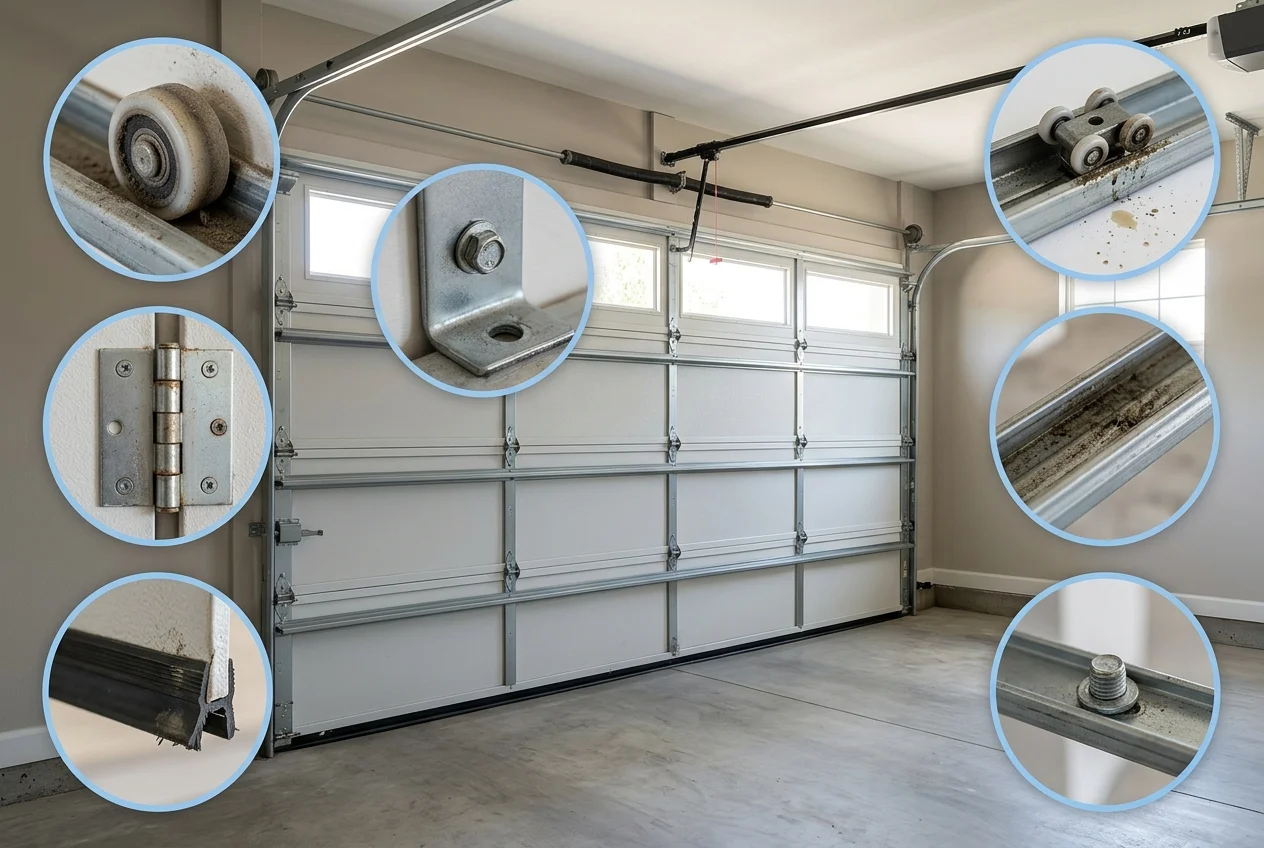

A garage door does not have to be completely broken before it needs attention. Extra noise, slower movement, shaking, rough stops, loose hardware, worn rollers, dry hinges, weak seals, or opener strain can all be signs the system needs a tune-up.
Maintenance helps check the condition of the full door system before small wear turns into a bigger repair. It is a smart starting point when the door still opens and closes but no longer feels smooth, quiet, or reliable.
If the door still works but something feels off, schedule maintenance before forcing it through another season.
These signs do not always mean the door is broken. They do mean the system should be checked before the issue gets harder to ignore.
Grinding, squeaking, rattling, or popping can come from dry rollers, loose hardware, worn hinges, opener strain, or track movement.
Slow movement may point to poor balance, track resistance, dry moving parts, opener settings, or rollers that are no longer moving cleanly.
Uneven movement can point to worn rollers, loose brackets, track issues, or hardware that needs tightening.
The opener may strain when the door is heavy, unbalanced, dry, or not moving smoothly through the tracks.
Daily-use doors should not be ignored for years. A tune-up can help identify wear before it turns into a bigger service need.
Worn bottom seals or side weather stripping can allow drafts, water, dirt, pests, and debris around the garage opening.
A maintenance visit should check the whole door system, not just the part making noise. The goal is to review movement, balance, safety, sealing, and opener performance.
We check how the door opens, closes, stops, reverses, and moves through the track system.
Tracks and rollers are reviewed for rough movement, wear, shifting, buildup, or alignment concerns.
Springs and cables are visually checked for wear, rust, fraying, tension concerns, or signs that repair may be needed.
Door hardware is checked for loose, worn, missing, or stressed connection points.
Rollers, hinges, bearings, and other moving points are lubricated where appropriate to help reduce friction and noise.
Balance is checked because poor balance can strain the opener and affect safe movement.
The opener setup is reviewed for travel limits, force settings, response, and how it works with the door.
Sensors are checked for alignment, response, and closing behavior.
Bottom seals and side weather stripping are checked for cracking, gaps, wear, or poor contact.
The door is tested after service to check movement, closing, opener response, and safety function.
After the garage door system is checked, Garage Door Solutions explains what was found in clear terms. Some doors only need lubrication, tightening, sensor adjustment, or minor service. Others may show wear that should be watched or repaired. If a part is broken, unsafe, or close to failing, we separate that from routine maintenance and explain the option before any repair work begins.
The goal is to help you understand the condition of the door before it becomes an urgent service call.
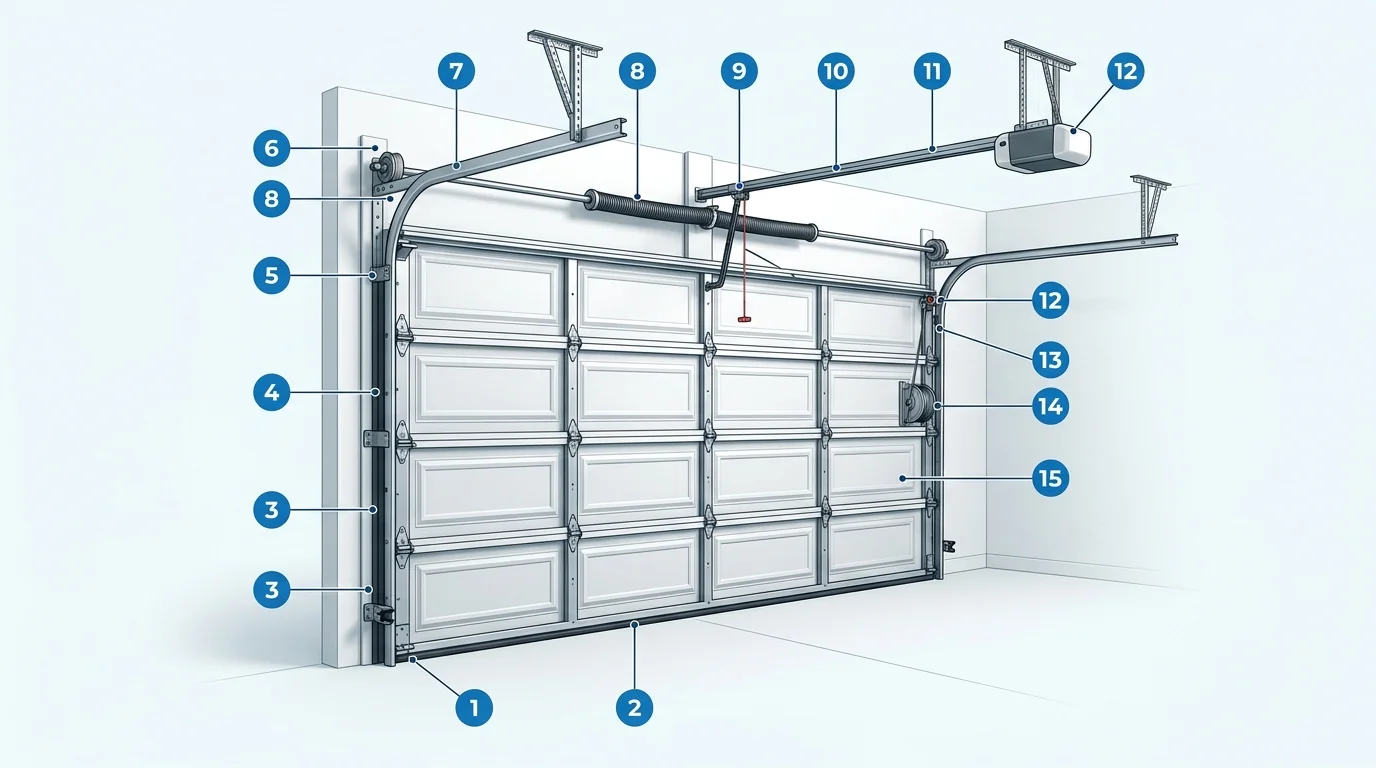
Maintenance is best for a garage door that still works but feels loud, rough, slow, shaky, dry, overdue, or harder on the opener. Repair is usually needed when a part is broken, unsafe, damaged, or stopping the door from operating correctly.
Not sure whether the door needs maintenance or repair? Garage Door Solutions can inspect the system and explain the right option before work begins.
A home garage door and a commercial overhead door do not work the same way. Door size, operator type, hardware, daily cycles, access needs, and safety concerns all affect the maintenance approach.
Home garage doors are used for parking, storage, security, and daily access. Maintenance helps check the parts that affect quiet movement, safe closing, opener response, weather sealing, and everyday reliability.
Commercial doors often carry more weight, operate more often, and support business access. Maintenance helps check operators, tracks, rollers, cables, sections, hardware, and safety concerns that can affect downtime.
Contact us for service or a free estimate!
Garage doors in Northern Illinois and nearby Southern Wisconsin deal with temperature swings, moisture, cold weather, heat, and daily use. These conditions can affect seals, metal hardware, opener strain, track movement, and how smoothly the door operates. A maintenance visit before major weather changes can help check the system before seasonal issues become more noticeable.
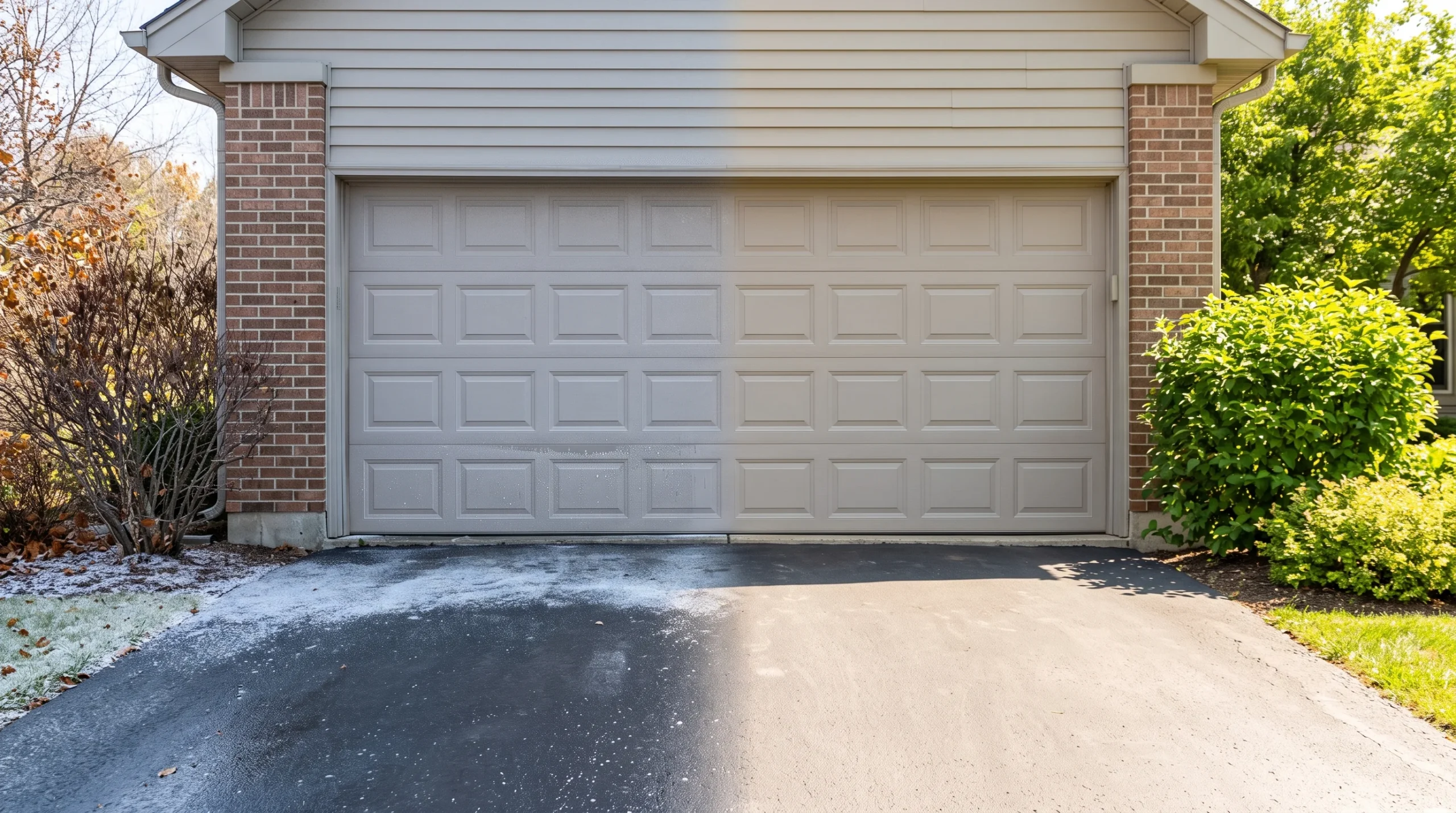
Garage Door Solutions works with many common residential and commercial garage door systems, openers, parts, and door styles. If you are not sure what brand or model you have, we can check the door, opener, hardware, and labels during service.
Most garage doors should be serviced about once a year. Doors that are older, noisy, used many times a day, exposed to seasonal weather, or installed on commercial properties may need maintenance more often.
A garage door tune-up usually includes checking door movement, tracks, rollers, hinges, springs, cables, opener settings, safety sensors, weather seals, lubrication points, hardware, balance, and final operation.
A loud garage door can be caused by dry rollers, worn hinges, loose hardware, track movement, opener strain, poor balance, spring wear, or parts that need lubrication or repair.
Maintenance may help fix squeaking when the noise comes from dry hinges, rollers, bearings, or moving parts. If the squeak is connected to worn parts, spring tension, or track problems, repair may be needed.
Jerking movement can be caused by worn rollers, track resistance, loose brackets, poor balance, opener strain, or hardware issues. A maintenance visit can help identify what is causing the rough movement.
Some visible moving points may be lubricated with the correct garage door lubricant, but springs, cables, opener force settings, and balance issues should not be adjusted without proper experience. Those parts can be dangerous.
Garage door tracks usually need to be clean and clear rather than heavily lubricated. Rollers, hinges, bearings, and other moving points may need lubrication, while heavy grease inside tracks can attract dirt and create movement issues.
Maintenance cannot guarantee that a garage door will never break, but it can help identify worn parts, loose hardware, poor balance, dry movement, opener strain, and seal wear before they become bigger issues.
Opener strain can come from the opener itself, but it can also be caused by poor door balance, dry rollers, track resistance, worn hardware, or a door that is too heavy for the opener to move smoothly.
A pre-winter garage door service can be helpful because cold weather and moisture can make existing issues worse. Seals, rollers, tracks, hardware, opener strain, and closing performance should be checked before heavy winter use.
Garage door springs, cables, drums, brackets, and tension-related parts can be dangerous because they hold or control heavy door force. These parts should be inspected or repaired by someone with proper garage door experience.
Maintenance may not be enough when the door is stuck, off track, has a broken spring, snapped cable, failed opener, bent section, damaged track, or unsafe movement. In those cases, repair or replacement may be needed.
Garage Door Solutions provides garage door maintenance and tune-up service for homeowners, businesses, garages, shops, and commercial properties across the Northwest Suburbs of Chicagoland, the North Shore, Lake County, McHenry County, and nearby Southern Wisconsin.

Garage door maintenance for Lake County properties, including opener checks, rollers, tracks, hardware, and weather seals.

Garage door inspection and tune-up service for McHenry County homes, businesses, shops, and daily-use doors.

Maintenance service for North Shore homes and businesses with noisy, slow, worn, or heavily used garage doors.

Garage door tune-up service across Northwest Suburbs communities for residential and commercial door systems.
Do not wait until the door stops working completely. Garage Door Solutions can check the system, service the moving parts, and explain whether your door needs maintenance, repair, or another option. Call now or schedule garage door maintenance service.


